
In this guide
What makes a child ask for a story again? A funny character, an unexpected picture or a question left hanging can make a book worth returning to. Give that curiosity a little room. A short shared reading time can become a welcome part of the day, with space to choose, wonder and talk.
Start with the reader, then find the book
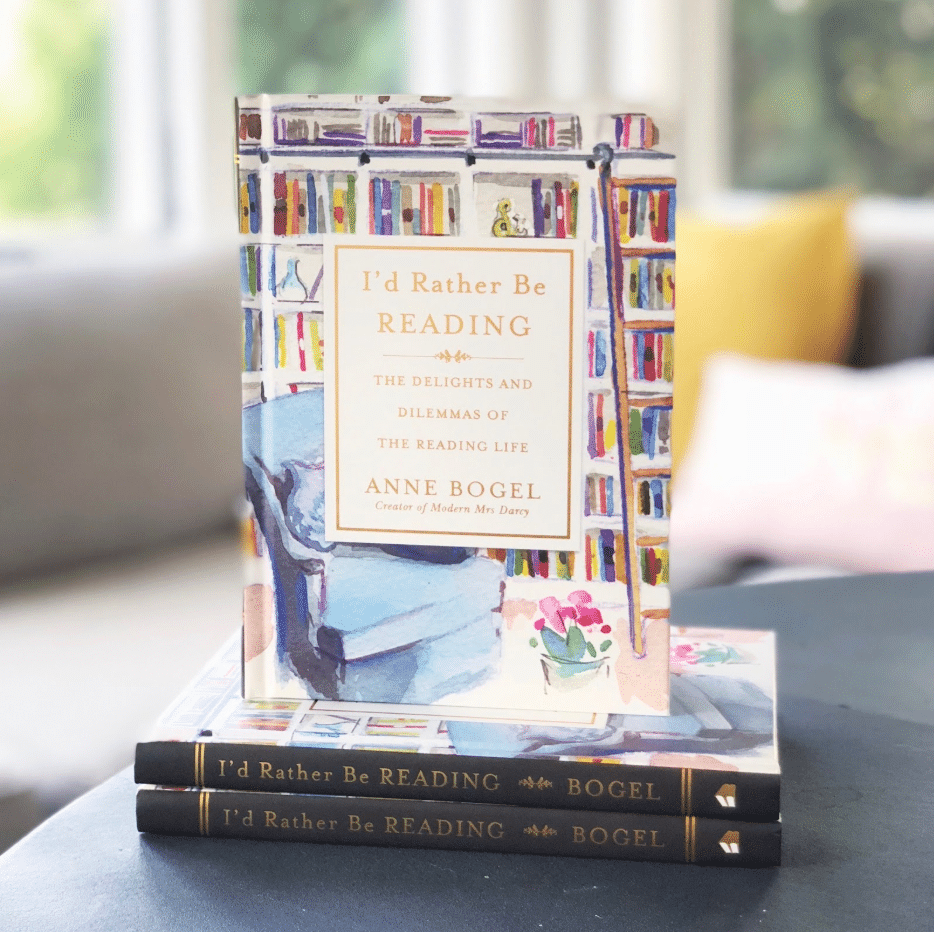
Anne Bogel is the author of I’d Rather Be Reading, creator of Modern Mrs Darcy and host of What Should I Read Next? Her publisher’s book excerpt explores a useful idea: finding a satisfying book means paying attention to the individual reader.
Bring that invitation into the classroom. Ask what children enjoy: animals, mysteries, jokes, familiar places or things they want to understand. Keep a few different books within reach and let their answers guide the next selection.

Make choosing a book part of the pleasure
Offer a manageable choice: perhaps a picture story, a short poem and an information book. Let children browse the covers and illustrations before choosing. Ask, “Which would you like to spend time with, and what caught your eye?” A familiar favourite belongs in the selection too.
Match independent reading to what a child can read with understanding. For a shared read-aloud, an adult can carry the printed text while children enjoy the story and discuss its meaning. Give hesitant readers time to listen, look and join in.

Try a complete ten-minute read-aloud
Here is an adaptable routine for early primary classrooms and families. Choose a short illustrated story you can read aloud in about three minutes, leaving time for a brief pause. Read it beforehand, mark one useful stopping point and arrange the book so everyone can see. A longer story can continue across several sessions.
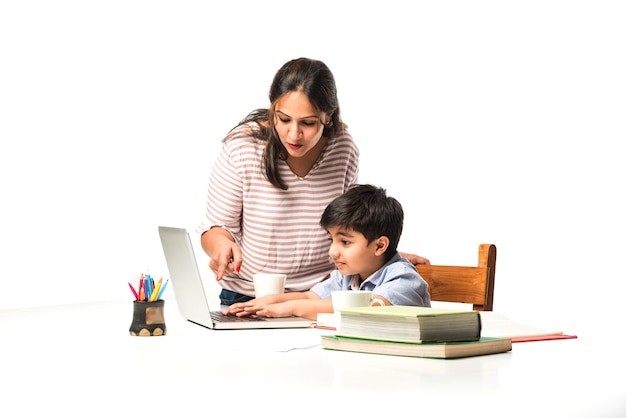
Have ready: one story, a visible page or illustration, and a partner to talk with. At home, the adult can be the partner. Keep the conversation welcoming and give children time to think.
Minute 0–1: notice the cover
Show the title and cover. Ask children to tell a partner one thing they notice and one possibility for the story. Take one or two responses. Leave the predictions open so the reading has somewhere to go.
Minutes 1–5: read and enjoy
Read with expression, showing the illustrations. At your chosen stopping point, ask, “What might happen next? What makes you think so?” Hear a brief response and continue. Let the story keep its rhythm.

Minutes 5–7: talk it through
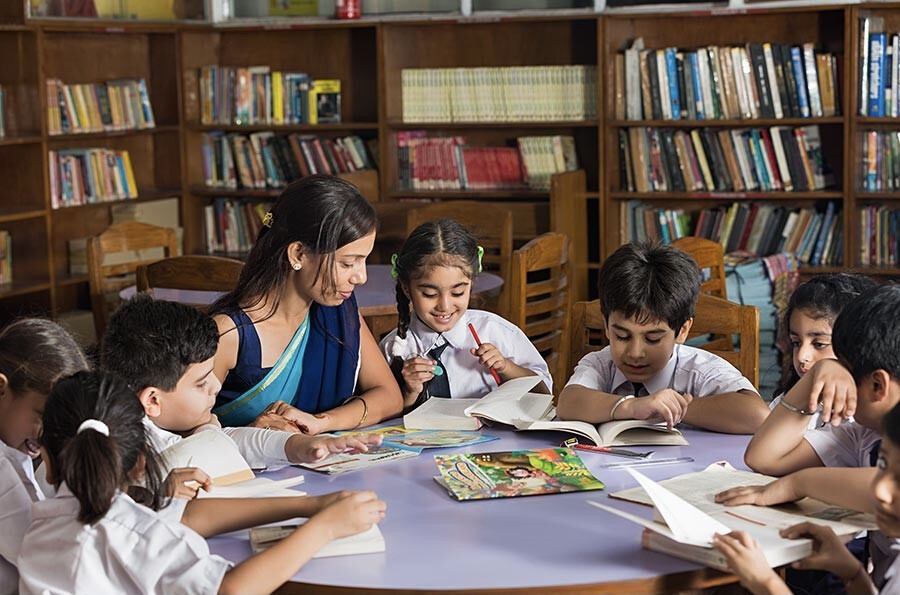
Invite pairs to choose a moment they remember and explain what happened. They can point to a picture, gesture or use a familiar language. A partner can help put the idea into the language being used for the class discussion.
Minutes 7–9: return to a clue
Revisit one page. Ask, “Which picture or words helped you understand this part?” Reread the relevant sentence. If interpretations differ, invite children to show their clues and listen to another explanation.
Minutes 9–10: choose what comes next
Let partners share a favourite moment or a question they still have. Offer a next step: revisit the book, draw a scene or look for a related story. Finish with a simple invitation: “What shall we read together next?”
Listen for meaning and plan the next lesson
Notice whether children can connect an event to a character, explain an idea through a picture or return to the words for support. Choose one observation to guide your next session. A child who remembers the ending but loses the sequence might enjoy retelling with three pictures.
NCF-FS 2022’s early-literacy guidance brings together oral language, sound and letter work, word recognition, comprehension and writing. Alongside shared stories, keep planned opportunities to practise these developing skills, with support matched to the child.
Keep the conversation going at home
Share one story prompt with families: ask the child to describe a favourite character or show an interesting page. Families can talk in a language they are comfortable using. A grandparent’s retelling, a sibling’s question or another look at an illustration can keep the conversation alive.

Give books a welcoming home in the classroom
NCERT suggests accessible print materials and reading corners. Start with a low shelf or book basket children can reach. Rotate a small selection, display a child’s recommendation and make returning a book straightforward. Invite browsing during a predictable part of the day.
Make room for another reading
A familiar story offers fresh things to notice: an expression in a picture, a repeated phrase or a character’s changed decision. Try the same routine again with a different question. For more ways to include children’s languages, explore our five-step multilingual classroom routine.
Start with one book tomorrow. Choose it together, share ten unhurried minutes and listen to what children want to explore next.
Leave a Reply